
Signs You Need to Replace Old Water Heater

When your water heater starts acting up, it’s easy to ignore the signs, hoping it will just keep working. But trust me, waiting too long can lead to bigger problems. I’ve seen plenty of situations where a simple fix turned into a costly emergency because the water heater was way past its prime. If you’re wondering whether it’s time to replace old water heater equipment, I’m here to help you spot the signs early. Let’s dive into what you should watch for and how to handle it.
How to Know When to Replace Old Water Heater
You might be asking yourself, “Is it really time to replace old water heater?” The answer isn’t always obvious, but there are clear signs you shouldn’t ignore. Here’s what I look for when deciding if a water heater needs to be replaced:
Age of the unit: Most water heaters last about 8 to 12 years. If yours is older, it’s probably time to start thinking about a replacement.
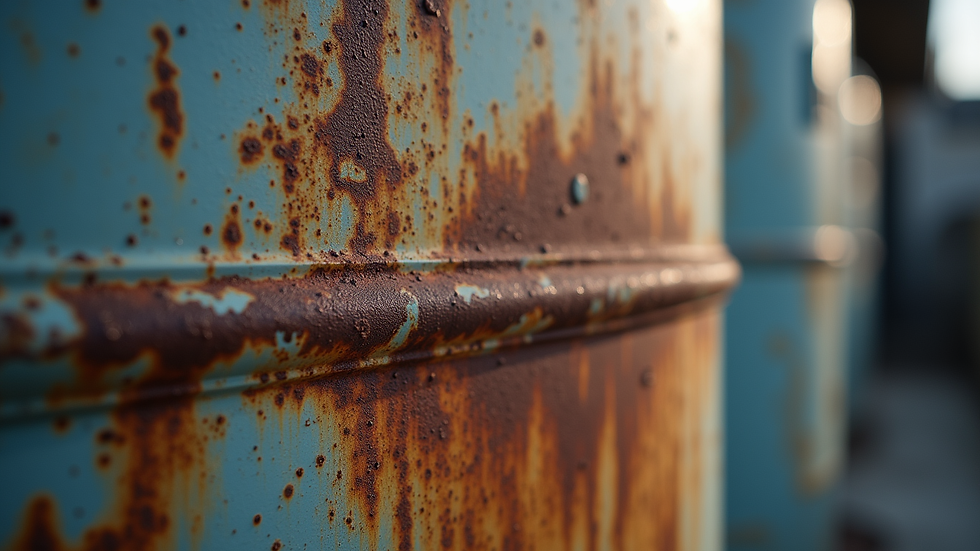
Rusty water: If your hot water looks rusty or has a metallic taste, it’s a sign the tank is corroding inside.
Strange noises: Rumbling, popping, or banging sounds mean sediment buildup is causing trouble.
Inconsistent water temperature: If your water heater can’t keep the temperature steady, it’s struggling.
Leaks: Any water pooling around the base of your heater is a red flag.
Slow hot water recovery: If it takes longer than usual to heat water, efficiency is dropping.
If you notice one or more of these signs, it’s a good idea to get a professional opinion. Sometimes repairs can help, but often, replacing old water heater equipment is the smarter choice.
What Happens If You Don’t Replace Old Water Heater?
I’ve seen what happens when people delay replacing their water heaters. It’s not just about inconvenience; it can lead to serious damage and higher costs. Here’s what you risk by holding off:
Water damage: A leaking tank can flood your basement or utility room, damaging floors and walls.
Higher energy bills: An inefficient heater uses more power to heat water, costing you more every month.
No hot water: Eventually, the heater will fail completely, leaving you without hot water when you need it most.
Safety hazards: Old water heaters can develop cracks or faulty valves, which might cause leaks or even bursts.
Replacing old water heater units before they fail can save you from these headaches. It’s better to plan ahead than to deal with an emergency.
How much should I expect to pay for a new water heater installed?
One of the biggest questions I get is about cost. How much should you expect to pay for a new water heater installed? The answer depends on several factors:
Type of water heater: Tank vs. tankless models have different price points.
Size and capacity: Larger homes need bigger units, which cost more.
Installation complexity: If your current setup needs upgrades or modifications, expect higher labor costs.
Energy efficiency: High-efficiency models cost more upfront but save money over time.
On average, you can expect to pay between $800 and $1,500 for a standard tank water heater installation. Tankless models usually start around $1,200 and can go up to $3,000 or more. Keep in mind, these prices include both the unit and professional installation.
It’s worth getting a few quotes from trusted local plumbers to find the best deal. Remember, quality installation is key to making your new water heater last.

How to Choose the Right Replacement Water Heater
Choosing the right replacement water heater can feel overwhelming, but it doesn’t have to be. Here’s how I recommend making the decision:
Assess your household needs: Think about how many people live in your home and your typical hot water usage.
Decide on tank or tankless: Tank heaters store hot water and are usually less expensive upfront. Tankless heaters heat water on demand, saving space and energy.
Check energy efficiency ratings: Look for models with good energy factor (EF) ratings to save on utility bills.
Consider fuel type: Electric, gas, or propane options are available. Choose what works best for your home’s setup.
Look for warranty and reliability: A longer warranty often means better quality and peace of mind.
If you’re unsure, a professional plumber can help you pick the best option for your home and budget.
What to Expect During a Water Heater Replacement
If you decide to move forward with a water heater replacement, here’s what you can expect during the process:
Initial inspection: The plumber will check your current system and home setup.
Removal of old unit: The old water heater will be safely disconnected and removed.
Installation of new unit: The new heater will be installed, connected, and tested.
Cleanup and final checks: The area will be cleaned, and the plumber will ensure everything works perfectly.
Most replacements take a few hours, and you’ll have hot water again by the end of the day. It’s a straightforward process when done by experienced professionals.
When to Call a Professional for Water Heater Issues
Sometimes, you might be tempted to fix water heater problems yourself. I get it - DIY can be tempting. But water heaters involve gas, electricity, and plumbing, which can be dangerous if handled incorrectly. Here’s when you should call a pro:
If you see leaks or water pooling around the heater.
When you hear strange noises coming from the unit.
If your water temperature is inconsistent or not hot enough.
When the unit is older than 10 years and showing signs of wear.
If you want to upgrade to a more efficient model.
Calling a trusted plumber ensures the job is done safely and correctly. It also protects your home and family from potential hazards.
Taking Care of Your New Water Heater
Once you have a new water heater installed, it’s important to keep it in good shape. Here are some tips I always share:
Flush the tank annually to remove sediment buildup.
Check the pressure relief valve regularly to make sure it’s working.
Insulate the heater and pipes to improve efficiency.
Schedule professional maintenance every couple of years.
Taking these steps will help your new water heater last longer and work better.
Replacing your old water heater might seem like a hassle, but it’s a smart move that pays off in comfort, safety, and savings. If you notice any of the signs I mentioned, don’t wait. Reach out to a professional and get your water heater working like new again. You’ll be glad you did.


Comments